TF-I: Technology
Operations and Concepts |
Educational
technology facilitators demonstrate an in-depth understanding of technology
operations and concepts.
|
Key aspects of standard: - Show
knowledge, skills and understanding of technology issues and concepts. This includes continually learning about new
products and strategies in use.
|
Kotter's 8 step change model and iPad initiative evaluation | |
Rationale for Artifacts: - The Web 2.0 assignment shows multiple applications teachers can use within their classroom. These are ever changing and technology specialists must stay on top of new trends. The Kotter assignment shows how iPads have been implemented in four different schools to better serve students. This was a study of the pros and cons of iPad use and how to best roll out a 1:1 initiative in a school.
|
TF-II: Planning and
Designing Learning Environments and Experiences |
Educational
technology facilitators plan, design, and model effective learning environments
and multiple experiences supported by technology.
|
|
ActivInspire Flipchart - reader will need to be downloaded to view flipchart (find link on CITATION page) | |
|
Key aspects of standard: - Create resources for use in the
classrooms using technology or support teacher’s creation of units by providing
ideas or by providing technological support while helping to manage the
resources in lessons.
- Use
current research to support the use of technology.
- Plan
for classroom management strategies when technology is in use.
|
Rationale for Artifacts: - The ActivInspire Flipchart was created for use within my 6th grade Language Arts classes. This technology makes for a more interactive classroom experience for the students.
|
TF-III: Teaching,
Learning, and the Curriculum |
Educational
technology facilitators apply and implement curriculum plans that include
methods and strategies for utilizing technology to maximize student learning. |
| |
Key aspects of standard: - Use methods and strategies for
teaching concepts and skills supporting:
- Integration
of technology productivity skills
- Integration
research tools
- Integration
of problem solving/decision-making tools
- Media based
tools
- Distance
learning systems
- Web based and non Web-based authoring tool
- Support diverse student needs through technology use
- Manage
students in technology enriched environments
|
Rationale for Artifacts: - The Webquest had to visit a variety of sites and evaluate information to complete the grammar webquest. Students then had to use multimedia tools to create presentation. I created the website for easy access to all material needed for the project. All of the material under the Webquest are the supplemental materials created for use in the project. The problem based mini-unit was created for students to research different philanthropic organizations in conjunction with a novel unit. Students would create flow charts and presentations about a non-profit organization of their choice at the end of the unit.
|
TF-IV: Assessment and
Evaluation |
Educational technology facilitators apply
technology to facilitate a variety of effective assessment and evaluation
strategies. |
| |
Key aspects of standard: - Use
technology for:
- student
assessment
- Collect
and analyze data (both themselves and assisting teacher use)
- Determine
if student use of technology is appropriate, useful, and productive
|
Rationale for Artifacts: - This project analyzed student growth during a trial program for math enrichment. The students used an online math program called Khan academy to review math skills. Students were assessed at different to see if the program was successful.
|
TF-V: Productivity
and Professional Practice |
Educational technology facilitators apply
technology to enhance and improve personal productivity and professional
practice. |
|
Google Drive - document tutoriakl | |
|
Key aspects of standard: - Plan
and participate in professional development related to technology
- Continually evaluate the use of technology and
student use
- Apply and demonstrate use of:
- Word
processing, publishing, graphics programs, and utilities
- Graphing
calculators, translators, electronic thesaurus, etc. (specific use technology)
- Distance
learning systems
- Hypermedia
and multimedia products
- Programming,
authoring, and problem solving environments
- Set
and change OS settings and features to optimize use
|
Rationale for Artifacts: - The Moodle professional development site was created for use by staff members to learn our online learning management system utilized within our district. The Google Drive video teacher others how to create a document within Google Drive. The ActivInspire project shows different was teachers can incorporate the ActivInspire software within their classrooms for use with the Promethean boards.
|
TF-VI: Social,
Ethical, Legal, and Human Issues |
Educational technology facilitators understand
the social, ethical, legal, and human issues surrounding the use of technology
in PK-12 schools and assist teachers in applying that understanding in their
practice. |
|
Social Networking use among middle school students | |
|
Key aspects of standard: - Model
and teach acceptable use while promoting safe environment
- Use
technology to better serve students from diverse backgrounds and identify
resources that affirm diversity while maintaining equitable use for all
students
|
Rationale for Artifacts: - The social networking project discusses current issues facing middle school students in regards to sites such as Twitter and Facebook. Students completed an online survey to gather information and data. This was then culminated into my paper. Reflections were then presented to administration to learn how to better keep our students safe online.
|
TF-VII: Procedures,
Policies, Planning, and Budgeting for Technology Environments |
Educational
technology facilitators promote the development and implementation of
technology infrastructure, procedures, policies, plans, and budgets for PK-12
schools. |
|
Network Design and Proposal | |
|
Key aspects of standard: - Use:
- Plans
to configure systems and peripherals
- Mass
storage devices
- Network
software packages
- Handle issues and maintain WAN (wide area
networks)
- Work
with other technology staff to optimize system
- Model
software
- Find
software to best enhance and support learning
- Help
to establish budget guidelines and procedures necessary as it pertains to
technology
- Suggest
policies and procedures for managing computers in school settings
- Help
with professional development
|
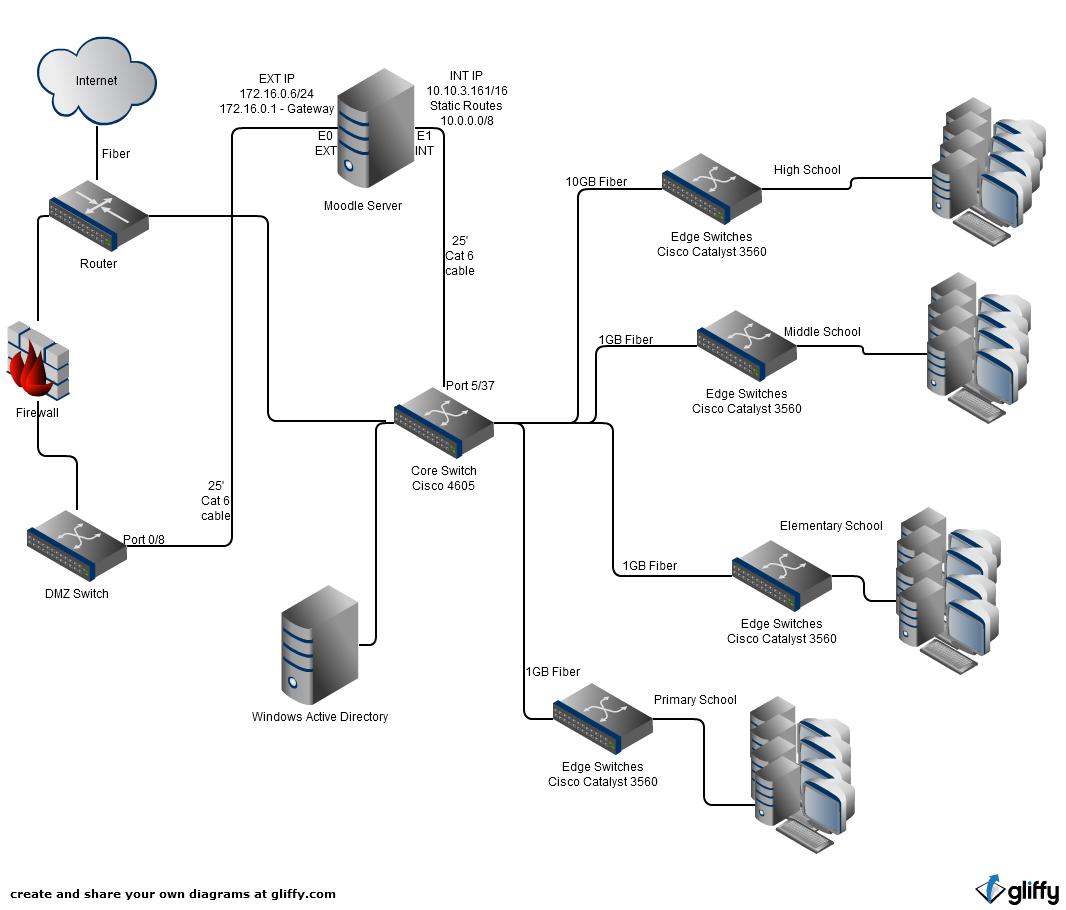
Rationale for Artifacts: - The network design project analyzed current hardware within the school and district. I then proposed new hardware additions and worked with our IT department to configure the new hardware. I researched pricing and specs of a variety of devices and proposed the best products to our IT department.
|
TF-VIII: Leadership
and Vision |
Educational
technology facilitators will contribute to the shared vision for campus
integration of technology and foster an environment and culture conducive to
the realization of the vision. |
| |
| |
Leaders in Technology Screencast | |
|
Key aspects of standard: - Understand:
- Current
research on technology and classroom instruction
- Changes
in technology through the years
- The
rationale for school partnerships
- Aspects
for developing school improvement plans
- Issues
related to obtaining hardware and software.
|
Rationale for Artifacts: - During the professional development project, district technology plans were analyzed to find our what was needed to better serve the staff. With the leaders in technology screencast, I researched the work of Dr. Barbara Meade and the advancements she proposes in regards to technology and schools.
|
|